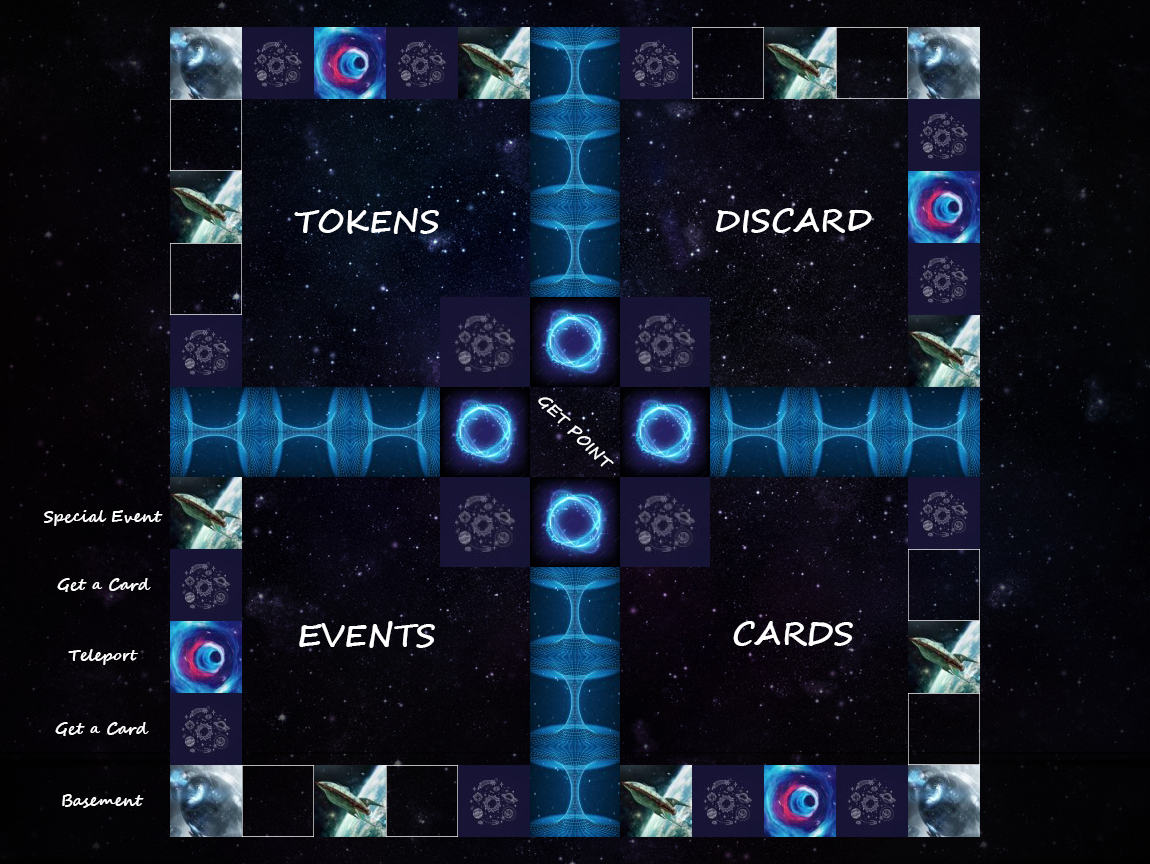
Eat the Stars Board Game
Eat the Stars is a sarcastic and humorous sci-fi board game where players become corporate starship captains racing to harvest raspberry flavoring from a hostile planet, Framboise-4. Players must balance risk and reward: diving through hazardous poles to gather raspberry tokens while sabotaging rivals with bombs, tricks, and corporate powers. The game mixes fast-paced movement, resource management, and event-driven chaos with humorous narrative flavor rooted in corporate propaganda.
Format: Competitive board game
My Role: Narrative & Systems Designer
Team Size: 5 people
Timeline: Sept 2022 – Dec 2022
Design Goals & Inspiration
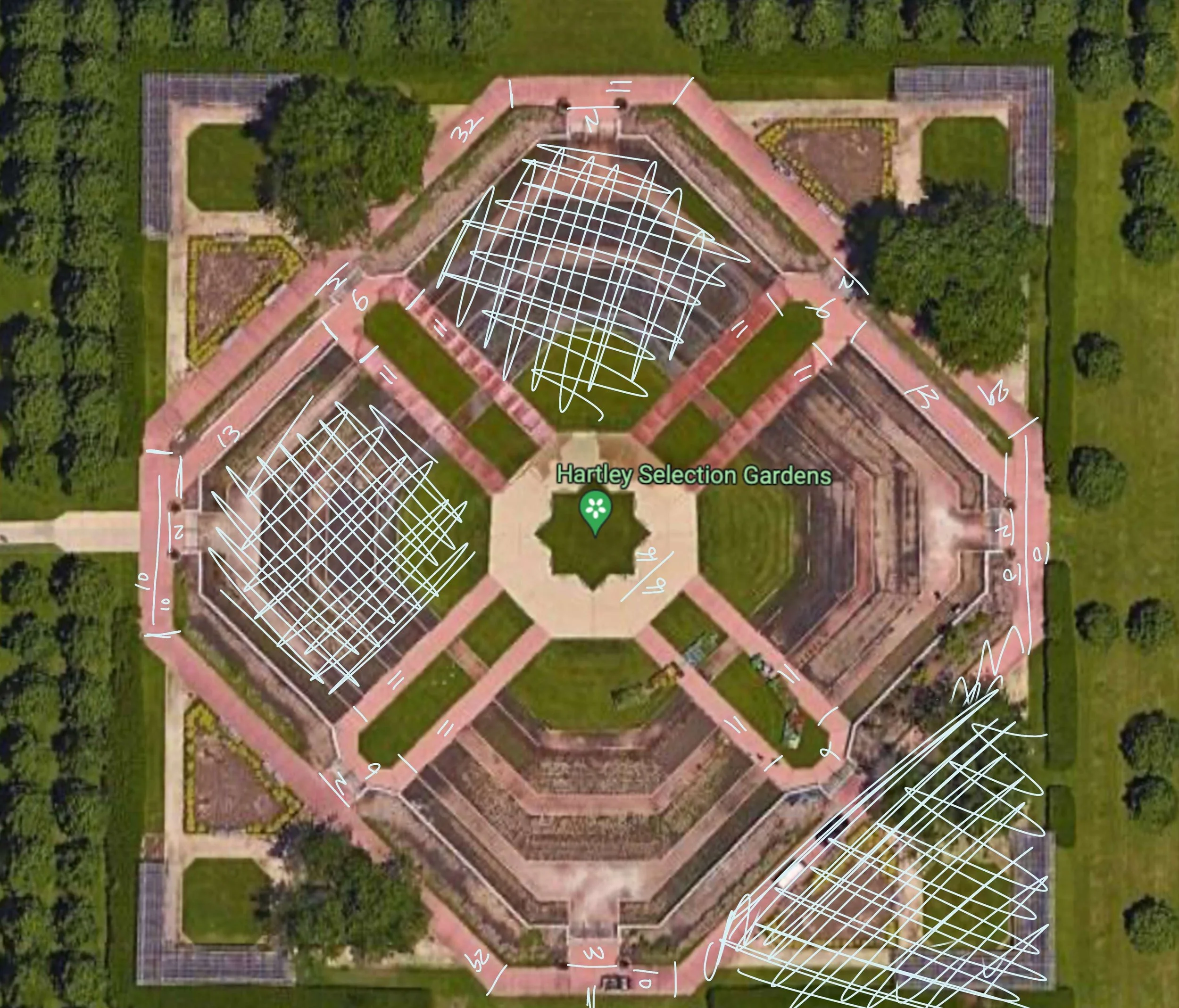
We drew inspiration for the board layout from the University of Illinois Urbana-Champaign’s Botanic Garden, spotting its geometric design and thinking it would be fun to transform it into a playable game map. So that’s exactly what we did! The idea for Eat the Stars began with a single mechanic: outer-orbit ships attacking inner-orbit harvesters. From this foundation, we expanded into a full game of satirical corporate warfare. Our goals were to blend satire with mechanics. Corporate “briefing cards” turn abilities into propaganda, reminding players that their lives are less valuable than the flavors they’re collecting. We create high-stakes tension. Limited carrying capacity and targeted attacks make harvesting dangerous, while faction abilities ensure asymmetry and personality. Lastly, we balance unpredictability with strategy. Randomized events, wormholes, and teleports disrupt plans, forcing players to adapt while pursuing long-term victory.
Visually, the game draws inspiration from The Outer Worlds and Adventure Time’s “Super Porp” episode. Bright, cheerful corporate imagery is layered over darker truths.
Design & Prototype Stages
We started with paper sketches of orbit and atmosphere rings, testing the idea of risky descent and safe return. From there, we added: faction cards with unique powers (shields, stasis fields, stronger bombs); event deck with satirical sci-fi disasters (meteor showers, alien attacks, time reversals); poles & wormholes to increase unpredictability and strategic movement. Iterations focused on balancing pace and danger, limiting players to 3 actions per turn, capping card hand size, and restricting raspberry carrying capacity.
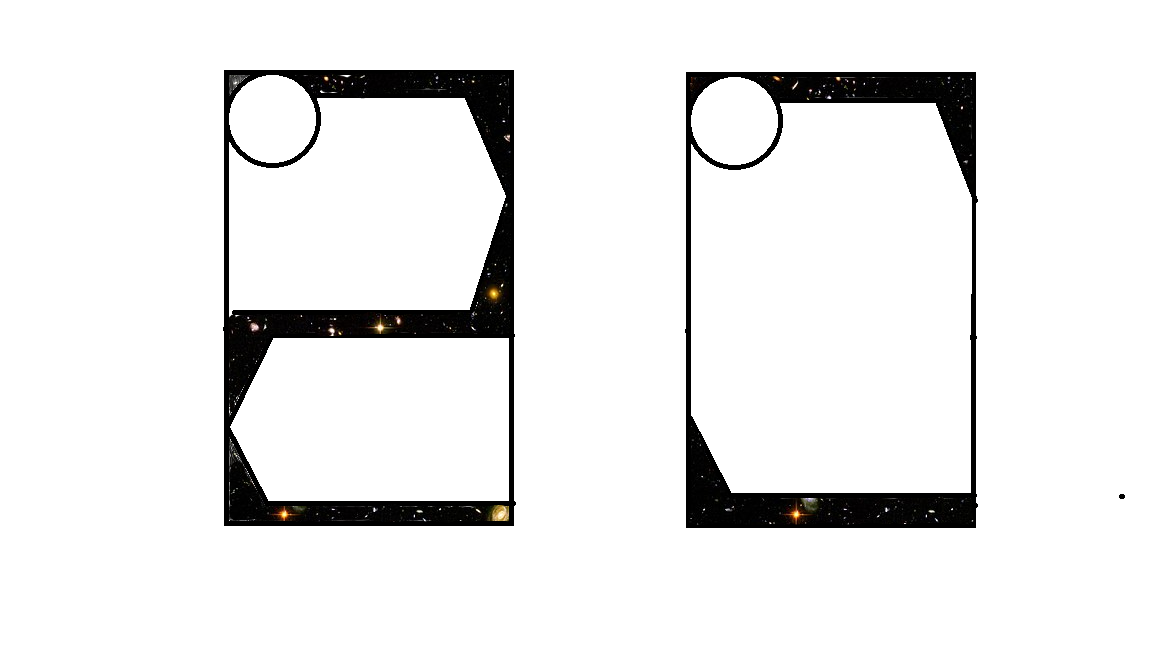
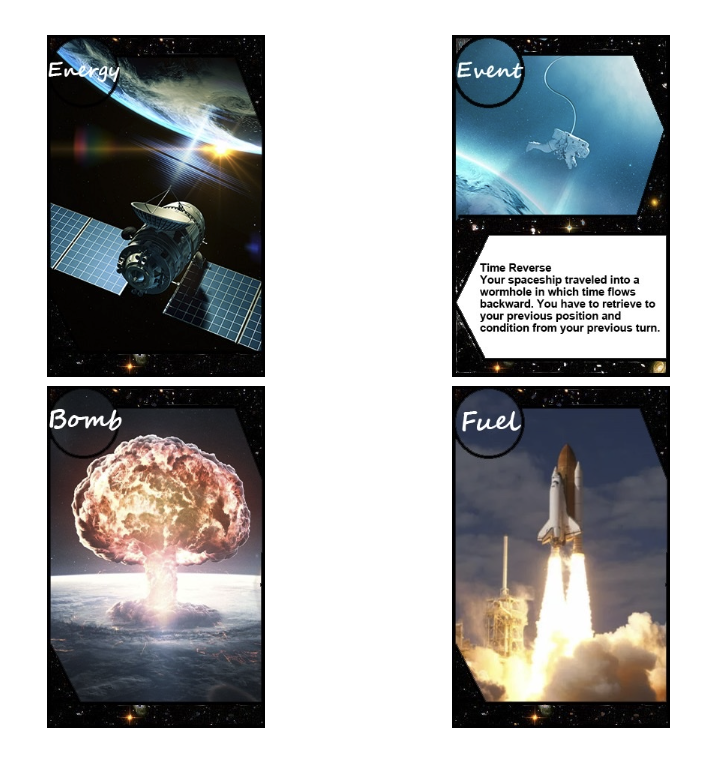
We prototyped simple sketches for the cards, starting with blank frames and gradually making them more descriptive with artwork and flavor text.
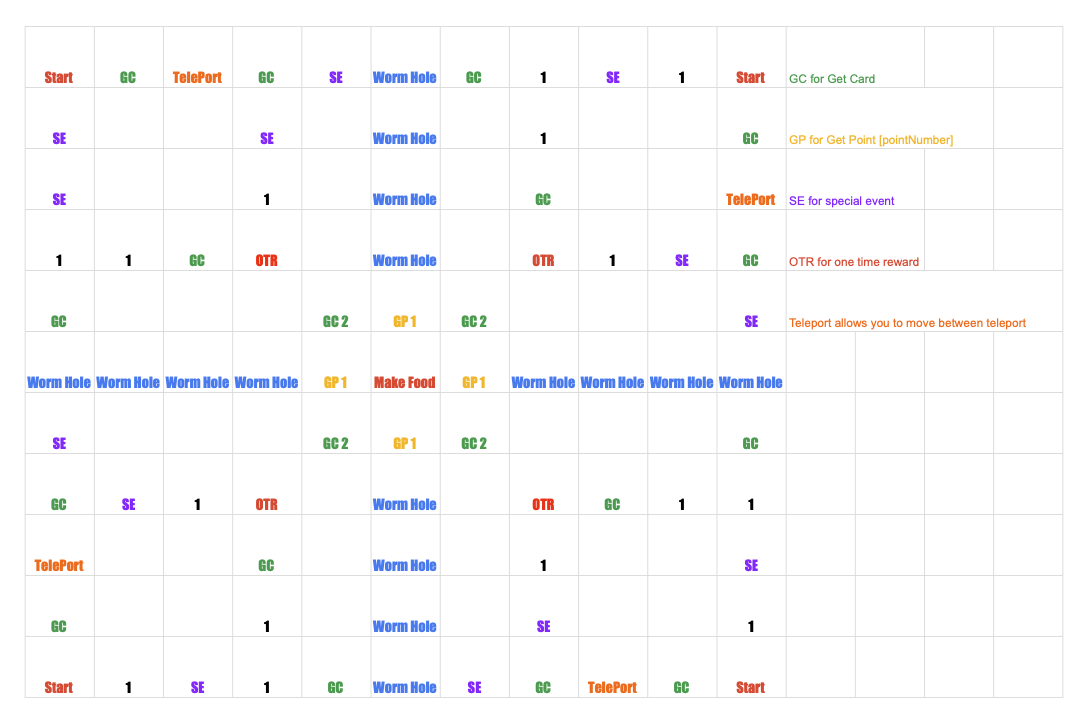
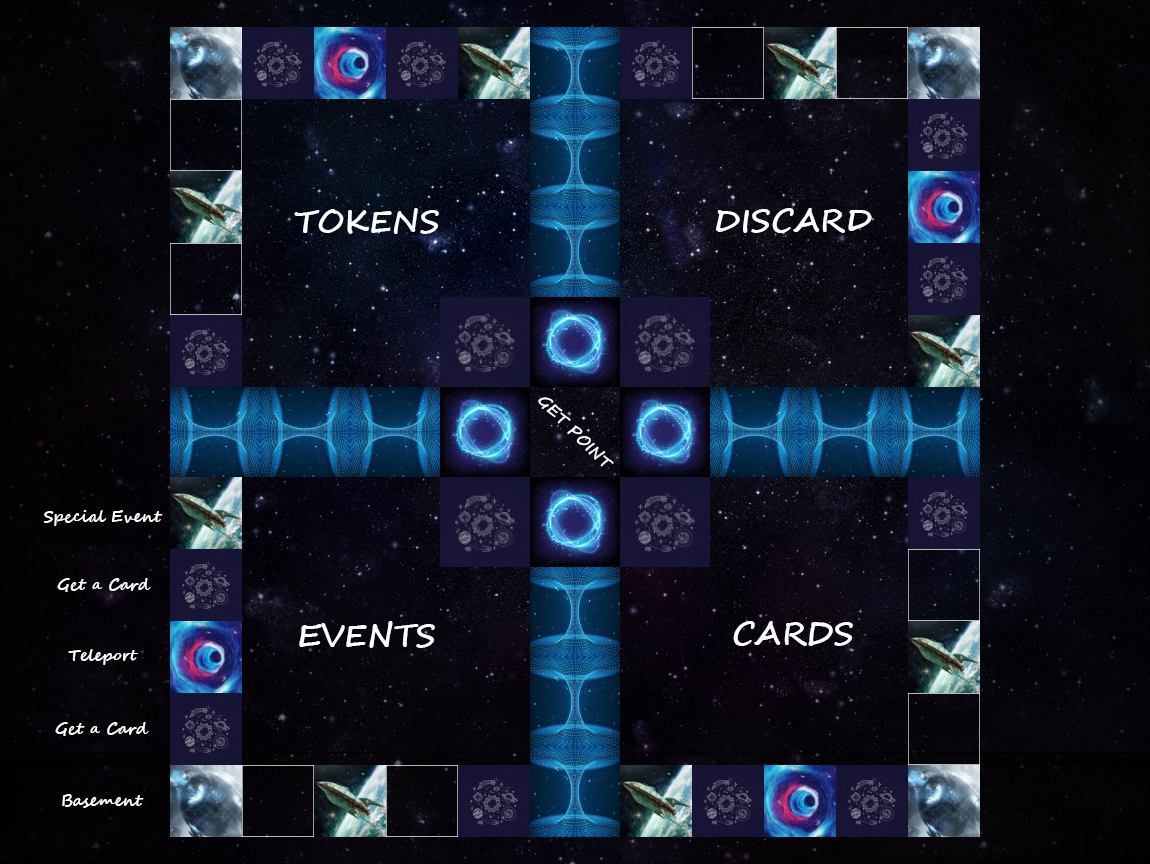
2. For the map, our first iteration was a layout in Excel, where we assigned meanings to each block using words and color codes to test movement and action balance. Once the system felt solid, we transitioned to a more refined visual map, replacing text placeholders with icons and imagery to make the board intuitive and immersive.
My Contributions
Wrote the narrative and faction briefings, shaping the satirical corporate voice and ensuring flavor-text consistency.
Designed system flow, balancing movement, resource collection, and attack rules to keep harvesting tense but fair.
Structured documentation, standardizing rules, terminology, and progression for clarity.
Worked on step-by-step progression, ensuring smooth flow from setup to victory condition.
Through these contributions, I learned how I can use narrative to actively shape player immersion when aligned with mechanics. Writing faction briefings taught me how tone reinforces theme, while balancing system flow showed me the importance of tension and fairness in keeping players engaged. Structuring documentation revealed how clear terminology reduces confusion and smooths onboarding, and mapping out beat-by-beat progression emphasized the need for pacing that builds excitement without overwhelming players. Together, these experiences deepened my understanding of how story, systems, and clarity must work hand in hand to create a cohesive and enjoyable game.
Challenges
A major challenge was balancing aggression and survivability. Without limits, bombing and stealing raspberries made the game overly punishing. We refined combat rules so risk mattered but didn’t stall progress. Another challenge was onboarding clarity: new players often struggled with orbit vs. pole movement. Through revisions, we simplified movement actions and clarified examples in the rulebook.
Design Documents & Presentations
Personal Reflection
Looking back, Eat the Stars successfully combined humor, satire, and competitive mechanics. Playtesters enjoyed how the corporate briefings immersed them in the absurdity of flavor wars, while the layered board design kept each session tense and unpredictable.
At the same time, there is still room for improvement: expanding faction diversity, introducing cooperative modes, or refining event pacing could make future iterations richer.
Through this project, I learned the value of integrating narrative tone into mechanics, how story and rules can reinforce each other, and the importance of iterative balancing to maintain tension without overwhelming players.